

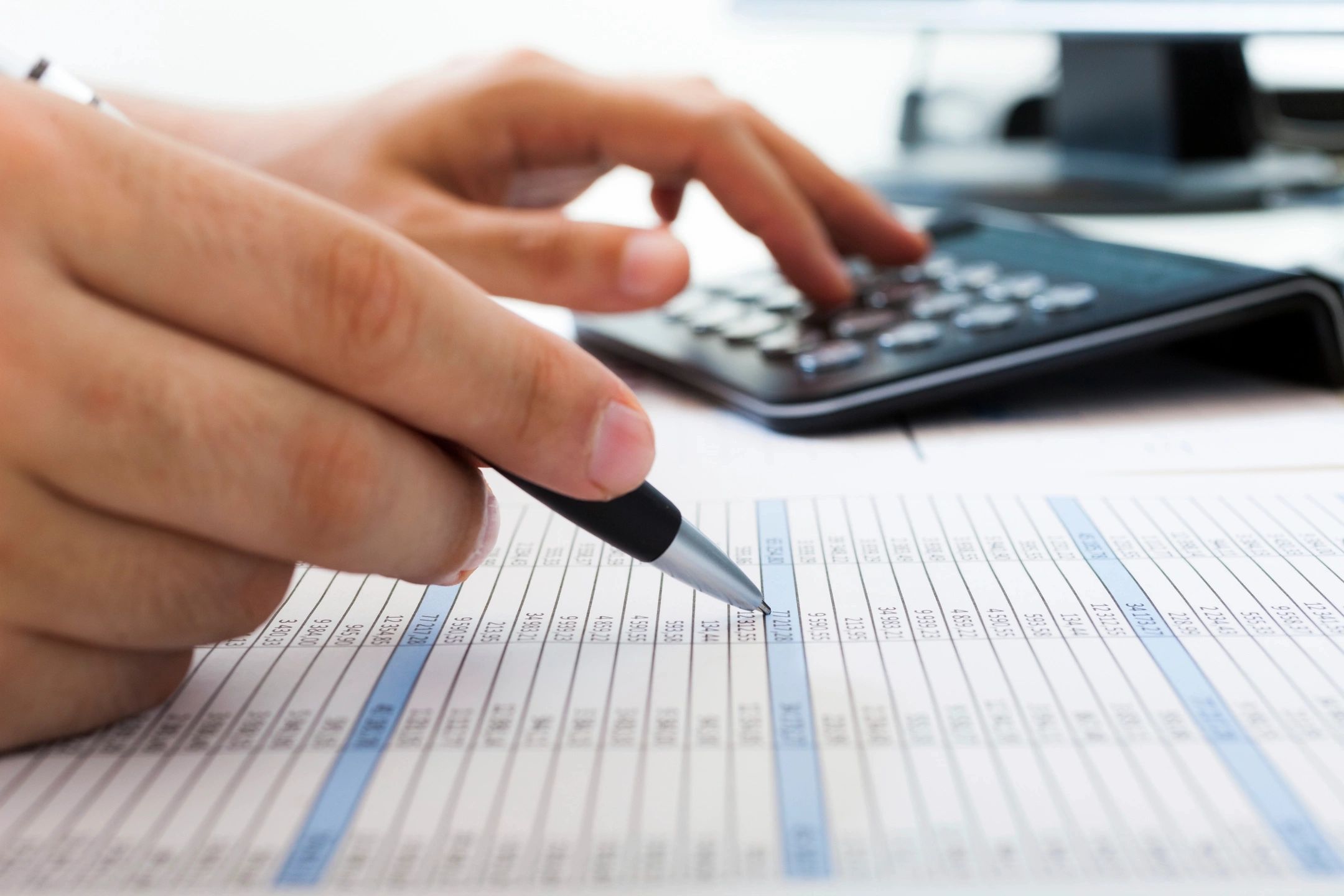
In accounting, a cash accounting definition refers to a method of recording income and expenses only when cash is actually received or paid. Unlike accrual accounting, which records transactions when they are earned or incurred, cash accounting focuses strictly on real cash movement.
Cash accounting is simple, easy to maintain, and commonly used by Canadian sole proprietors, freelancers, and small service-based businesses that do not hold inventory.
(For related concepts, see [Accrual Accounting Definition], [Audit Trail Definition], and [Bank Feeds Definition].)
What Is Cash Accounting?
Cash accounting is a bookkeeping method where:
- Revenue is recorded when cash is received
- Expenses are recorded when cash is paid
This means you do not record:
- Accounts receivable
- Accounts payable
- Prepaid expenses
- Accrued liabilities
Cash accounting provides a real-time view of cash flow, making it a favourite among self-employed Canadians and micro-businesses.
Cash Accounting Definition Compared to Accrual Accounting
Cash Accounting:
- Tracks money when it enters or leaves the bank
- Easier to manage and understand
- Reflects actual cash on hand
Accrual Accounting:
- Records revenue when earned, not received
- Required for most incorporated businesses
- Matches income and expenses more accurately
Learn more: [Accrual Accounting Definition]
Example of Cash Accounting for a Canadian Freelancer
Scenario:
A graphic designer issues a $1,200 invoice on April 10 but doesn’t get paid until May 2.
Under Cash Accounting
- Revenue is recorded on May 2, when payment is deposited.
Expense Example
The designer pays a $200 software subscription on March 15.
- Expense is recorded on March 15, the date cash leaves the account.
This simple timing rule is the core of the cash accounting definition.
Who Can Use Cash Accounting in Canada?
Cash accounting is commonly used by:
- Sole proprietors
- Small service providers
- Gig workers and freelancers
- Businesses without inventory
- Some farming and fishing operations
Most incorporated businesses must use accrual accounting for CRA reporting, especially for:
- Corporate tax returns (T2)
- GST/HST filings
- Financial statements
Service-based corporations sometimes use cash accounting internally for simplicity, but official CRA filings still require accrual entries.
Benefits of Cash Accounting for Canadian Entrepreneurs
A strong cash accounting definition reflects several key advantages:
- Easier bookkeeping
- Better visibility into real cash flow
- Fewer accounts to manage
- Reduced bookkeeping costs
- Useful for businesses with simple operations
It is also easier to reconcile using [Bank Feeds Definition], because transactions match bank activity directly.
Limitations of Cash Accounting
Cash accounting has several drawbacks:
- Not allowed for most corporations
- Profit may appear lower/higher depending on payment timing
- No tracking of receivables or payables
- Harder to measure long-term profitability
- Not suitable for inventory-based businesses
- Not recommended for Long-Term Planning
- Not accurate representation of company balance sheet
- Not recommended by lenders or if seeking financing
For more accuracy with financial health and planning, accrual accounting is generally recommended.
Cash Accounting and CRA Rules
CRA requires accrual accounting for:
- T2 corporate income tax returns
- GST/HST reporting (with limited exceptions)
- Businesses with inventory
- Most partnerships and incorporated entities
Cash accounting may be used by:
- Small unincorporated businesses
- Some farming businesses using the cash method
- Self-employed individuals filing T1 returns
Remember:
Even under cash accounting, CRA requires a clear audit trail that supports every income and expense entry.
Cash Accounting and Financial Statements
A business using cash accounting will still prepare:
- A Balance Sheet → though simpler
- An Income Statement → showing cash-based income and expenses
Because cash accounting does not recognize receivables or payables, statements may not reflect true financial performance for lending or valuation purposes.
Learn more: [Balance Sheet Definition]
Key Takeaway
A cash accounting definition describes a simple bookkeeping method that recognizes revenue and expenses only when cash is received or paid. This approach works best for small, unincorporated Canadian businesses and freelancers who want simplicity and real-time cash clarity.
For incorporated businesses and businesses with inventory, accrual accounting is typically required but cash accounting can still be useful internally for cash-flow monitoring.


