

The Foundation of Financial Literacy
Income is the cornerstone of financial well-being. Whether you’re managing your personal budget or running a business, understanding how income is earned, categorized, and managed is essential. In this article, we’ll break down the two main types of income Business Income and Personal Income and explain why mastering both is key to building wealth and making smart financial choices.
Business Income: The Engine That Drives Enterprise
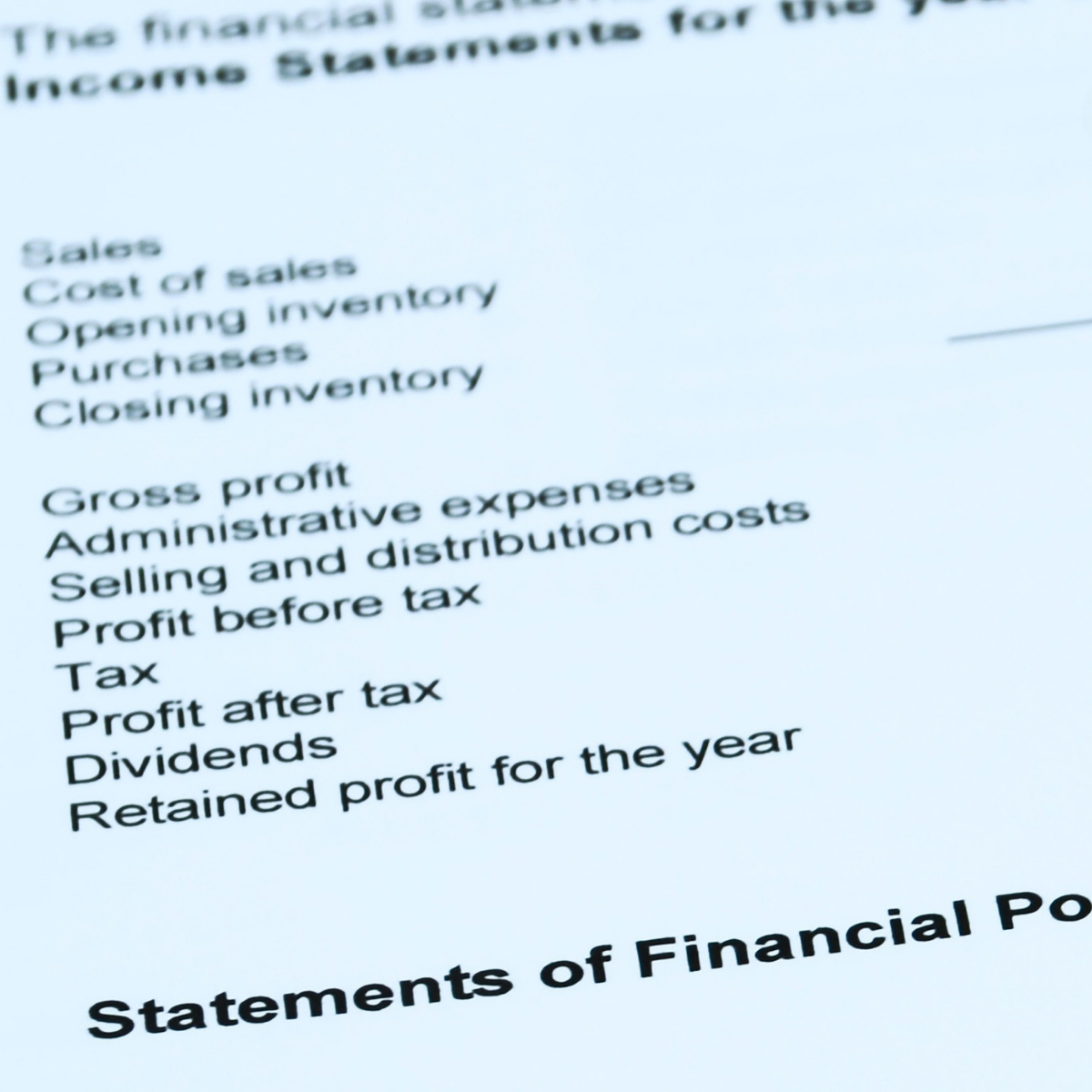
Business income refers to the money a company earns by selling products or services. This income is recorded on the company’s income statement, a financial report that shows how profitable the business is.
How Business Income Is Calculated
To calculate business income, subtract all expenses from total sales:
Business Income = Sales – Expenses
Expenses typically include:
- Cost of Goods Sold (COGS) – the direct costs of producing goods or services.
- Administrative Expenses – fixed costs like rent and salaries, and variable costs such as marketing and utilities.
- Income Taxes – taxes paid on profits.
- Dividends Paid – earnings distributed to shareholders.
After all deductions, the remaining amount is called Net Income or Profit, which reflects the company’s financial performance.
Why Business Income Matters
Understanding how a business earns income is crucial for several reasons:
- Strategic Decision-Making: Business owners can make informed choices about pricing, staffing, and growth opportunities.
- Financial Health Assessment: Analyzing revenue, profit margins, and cash flow helps identify strengths and weaknesses.
- Investor Confidence: Clear financial records and a solid business model attract investors and lenders.
- Tax Efficiency: Knowing how income is taxed whether as salary, dividends, or retained earnings can reduce tax liabilities.
- Team Alignment: When employees understand how the business generates revenue, they can contribute more effectively to its success.
Personal Income: Fueling Your Financial Journey
Personal income includes all the money an individual earns. It can be grouped into three main categories: earned income, unearned income, and government transfers or other sources. When creating a personal budget think of this as the money that a person is bringing in before their personal expenses.
Earned Income (Active Income)
This type of income comes from active work, such as:
- Wages and salaries
- Self-employment or freelance income
- Commissions, tips, and bonuses
Unearned Income (Portfolio Income)
This income is generated from investments and assets:
- Interest from savings accounts, GICs, and bonds
- Dividends from stocks
- Capital gains from selling assets
- Rental income from property
Government Transfers and Other Sources
Additional income sources include:
- Pensions (CPP, Old Age Security, private retirement plans)
- Social assistance and unemployment benefits
- Child benefits
- Grants and subsidies (e.g., education or business support)
- Alimony, spousal support, and child support
- Gifts and inheritances
- Lottery or contest winnings
Why Personal Income Matters
Additionally, understanding your income sources helps you:
- Create a Realistic Budget: Track income and expenses to manage cash flow and avoid debt.
- Reach Financial Goals: Plan for major life events like buying a home, paying for education, or retiring comfortably.
- Protect Against Risks: Prepare for unexpected events like job loss by building an emergency fund or purchasing insurance.
- Grow Wealth: Use different income types to invest wisely and take advantage of tax benefits.
- Make Lifestyle Choices: Choose careers or side hustles that align with your financial goals and personal values.
Final Thoughts
Whether you’re running a business or managing your personal finances, understanding income is a vital part of financial literacy. It empowers you to make smart decisions, prepare for the future, and build lasting financial security. By learning how income works, you gain the tools to thrive in today’s economy and shape a prosperous tomorrow.