
In accounting, a fixed assets definition refers to long‑term assets—such as property, equipment, and machinery—that are expected to provide economic benefits to a business for more than one year. Fixed assets are essential resources used to operate the business, generate revenue, and support long-term growth.
For Canadian entrepreneurs, understanding the fixed assets definition is important for budgeting, depreciation, tax planning, and preparing accurate financial statements.
(See related guides: [Amortization Definition], [Accounting Cycle Definition], [Balance Sheet Definition].)
What Are Fixed Assets?
Fixed assets—also known as capital assets, tangible capital assets, or property, plant & equipment (PP&E)—are physical, long‑term items used in the operation of a business.
Common examples include:
- Buildings
- Office furniture
- Machinery and equipment
- Delivery trucks and vehicles
- Computers and hardware
- Tools and shop equipment
- Leasehold improvements
- Land
Fixed assets are recorded on the balance sheet and depreciated over their useful life.
Characteristics of Fixed Assets (Core to the Fixed Assets Definition)
To qualify as a fixed asset, an item must:
- Be owned or controlled by the business
- Provide economic benefit for more than one year
- Not be for resale (inventory is different)
- Have a measurable cost
- Be used in business operations
Examples:
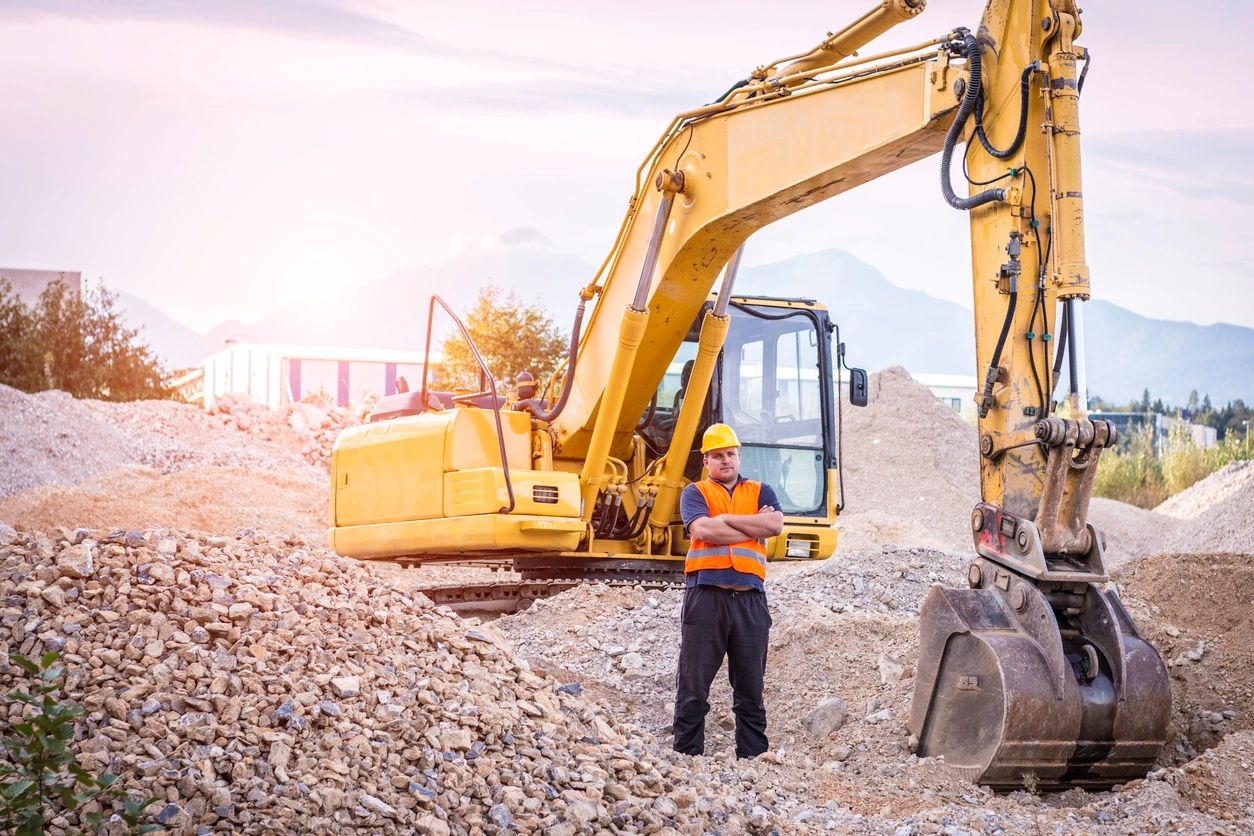
- A construction company’s excavator = fixed asset
- A retailer’s inventory of drills = not a fixed asset
- A restaurant’s commercial stove = fixed asset
Fixed Assets on the Balance Sheet
Fixed assets appear under Non‑Current Assets on the balance sheet.
A typical layout includes:
- Cost of asset
- Accumulated depreciation
- Net book value (NBV)
Example:
| Asset | Cost | Accumulated Depreciation | NBV |
|---|---|---|---|
| Delivery Van | $45,000 | $18,000 | $27,000 |
You can see similar structure in our [Balance Sheet Definition].
Depreciation and Amortization of Fixed Assets
Most fixed assets depreciate over time due to wear and tear or becoming outdated.
Common depreciation methods include:
- Straight-line
- Declining balance
- Units of production
Amortization applies to intangible assets, while depreciation applies to tangible fixed assets.
For more details: [Amortization Definition]
Examples of Fixed Assets in Canadian Industries
Construction
- Excavators
- Trucks
- Trailers
- Scaffolding
Restaurants & Hospitality
- Ovens
- Refrigeration units
- Furniture
- POS hardware
Professional Services
- Computers
- Office furniture
- Leasehold improvements
E‑Commerce
- Warehouse shelving
- Packaging machinery
- Delivery vehicles
Each industry has different expected useful lifespans for its assets.
Why Fixed Assets Matter for Canadian Businesses
Understanding the fixed assets definition helps business owners:
Track long‑term investments
Fixed assets represent major spending decisions that affect future profitability.
Claim depreciation for tax purposes
CRA allows businesses to deduct asset costs over time through Capital Cost Allowance (CCA).
Improve cash flow planning
Large purchases must be budgeted and often financed.
Support financing and valuation
Banks often review fixed asset listings for collateral.
Complete year-end reporting
Fixed assets impact balance sheet accuracy and CRA compliance.
Fixed Assets in the Accounting Cycle
Fixed assets interact with several steps in the [Accounting Cycle Definition]:
- Recorded as an asset when purchased
- Depreciated monthly or annually
- Adjusted at year end
- Shown on financial statements
- Reconciled with subledgers or tracking sheets
This ensures accurate reporting for owners and accountants.
When Fixed Assets Are Derecognized (Disposed Of)
A fixed asset is removed from the books when:
- It is sold
- It is traded in
- It is scrapped
- It is destroyed
- It no longer provides value
Disposal entries include:
- Removing cost
- Removing accumulated depreciation
- Recording gain or loss
Example:
If equipment sells for more than book value → Gain
If sold for less → Loss
Key Takeaway
A fixed assets definition describes long-term, physical assets that support business operations for more than one year. These include equipment, buildings, vehicles, and machinery. Fixed assets appear on the balance sheet, depreciate over time, and play a major role in tax planning, cash flow management, and financial reporting.
Understanding fixed assets helps Canadian business owners make smart investment decisions, maintain accurate records, and stay compliant with CRA requirements.